
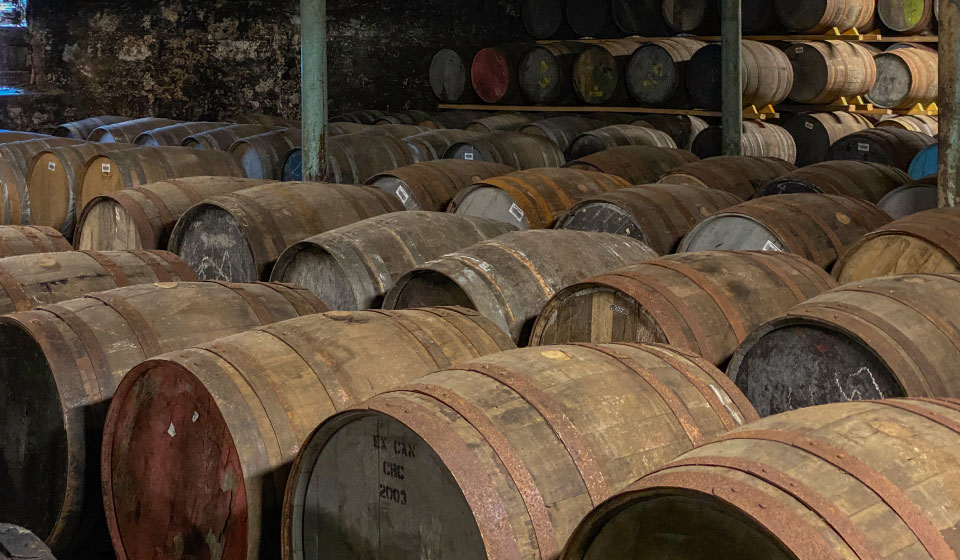
Oak plays a central role in whisky maturation, influencing flavour, structure, and texture over time. While the spirit is defined at distillation, its interaction with the cask determines how it develops, shaped by wood composition, previous use, and storage conditions.
The Interaction Between Spirit and Oak
During maturation, whisky gradually extracts natural compounds from the oak cask. These compounds influence aroma, colour, and mouthfeel, while controlled exposure to air allows oxidation to soften and integrate the spirit.
Each cask develops differently, depending on its environment and characteristics, resulting in variation across individual casks.
The Influence of Oak Compounds
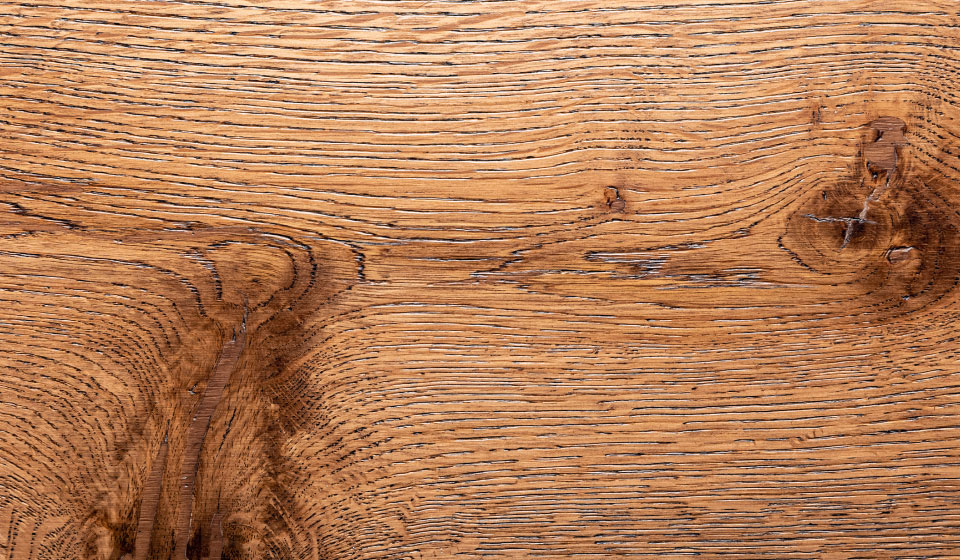
Oak contains naturally occurring compounds that contribute directly to whisky character. Vanillins are often associated with sweetness and vanilla notes, while tannins provide structure and dryness. Other compounds contribute layers of spice and depth depending on the cask.
Over extended periods, the interaction between spirit and wood allows these elements to integrate, influencing both texture and complexity.
American Oak and European Oak
Different oak origins influence whisky in distinct ways. American oak is generally associated with softer characteristics such as vanilla, caramel, and lighter spice, while European oak contributes more structured tannins and deeper spice profiles.
These differences shape the direction of maturation without determining the outcome entirely.
The Effect of Previous Use
Casks are often reused, meaning their previous contents continue to influence the spirit. Ex-bourbon casks may retain sweetness and vanilla, while ex-sherry casks can introduce dried fruit, spice, and richer structure.
These elements integrate with the spirit during maturation, contributing to layered development over time.
Context Within Maturation
Oak influence forms part of a broader maturation process. When considered alongside cask type and storage conditions, it provides a clearer understanding of how whisky develops over time.
For related context, see Understanding Whisky Cask Ownership and Maturation and Understanding Cask Types: Hogshead, Butt, and Barrel.