
The Nature of a Maturing Cask
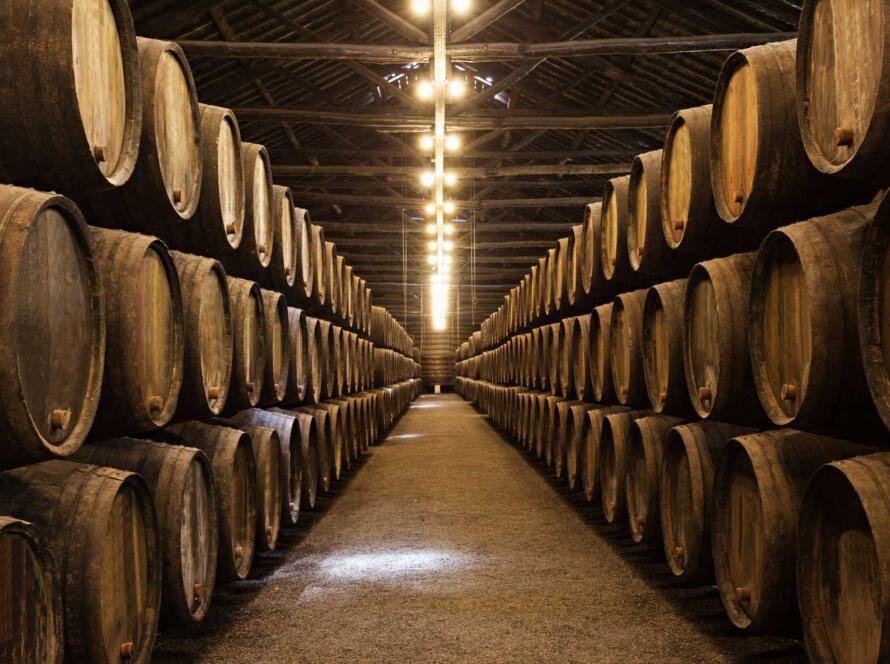
Unlike bottled whisky, which remains fixed after release, a cask continues to develop within the warehouse. Factors such as temperature variation, humidity, and airflow influence how the spirit interacts with the wood.
Each cask evolves individually, even when originating from the same distillery and production year, resulting in distinct variations in flavour, structure, and aroma.
These gradual changes define the identity of the cask over time, with maturation acting as a continuous process rather than a fixed endpoint.
The Influence of Oak
The type of oak used plays a central role in shaping the whisky’s profile. American oak commonly introduces softer notes such as vanilla and light spice, while European oak contributes more structured tannins and deeper spice characteristics.
Over extended periods, the interaction between spirit and wood allows these elements to integrate, influencing both texture and complexity.

Control and Timing
Holding a full cask allows decisions to be made regarding its timeline. The whisky can be observed at different stages, with bottling or continued maturation determined by preference rather than obligation.
This flexibility allows the character of the cask to be assessed as it develops.
Bottling Considerations
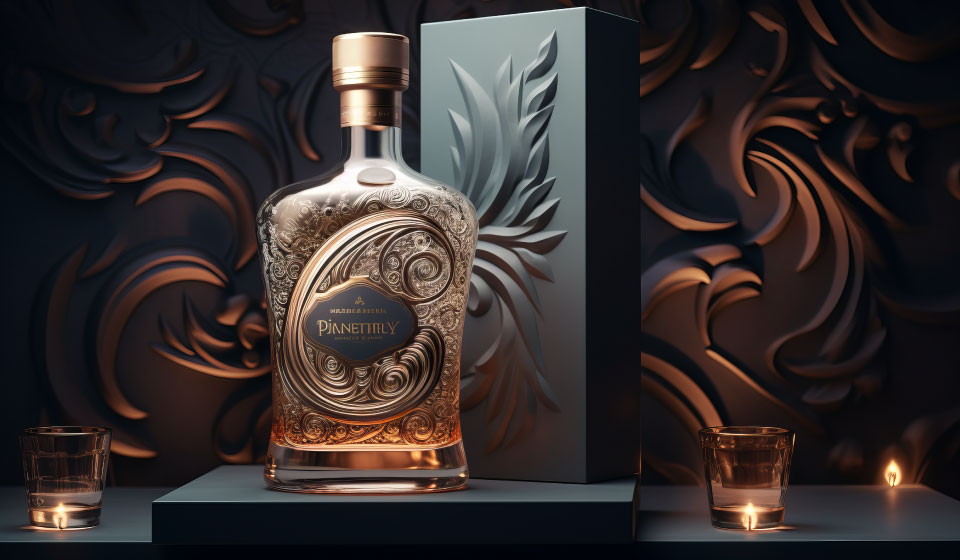
When a cask is bottled, variables such as strength, filtration, and presentation influence the final outcome. These decisions shape how the whisky is experienced, while preserving the characteristics developed during maturation.
Different approaches may result in varied expressions from the same original cask.
Provenance and Documentation
Cask whisky is accompanied by documentation detailing its origin, storage conditions, and measured characteristics over time. These records provide clarity regarding authenticity and traceability throughout the cask’s lifecycle.
Understanding these elements provides a foundation for evaluating any maturing cask.